
Stretching for Desk Bodies
A five-minute mobility circuit you can do in office clothes, right next to your chair. Your hips, neck, and shoulders will notice the difference.
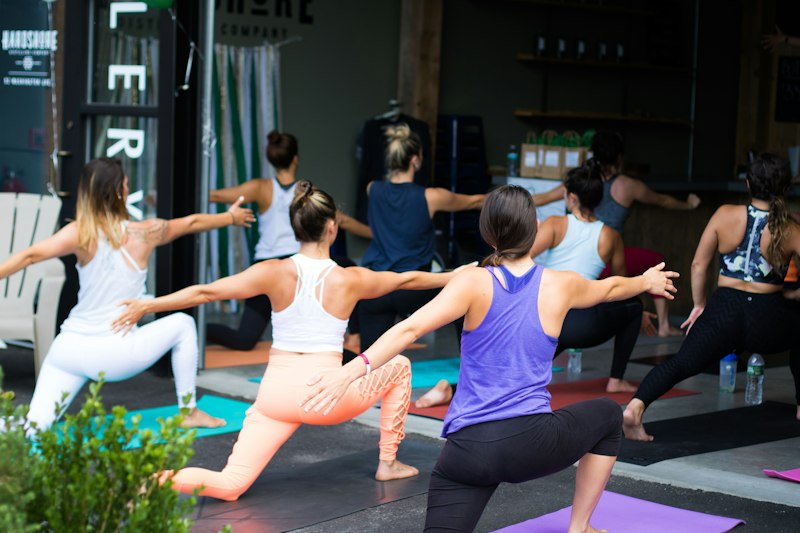
By late afternoon, the body that sat still all day files its report: tight hips, a stiff lower back, shoulders that have crept up toward the ears, a neck that turns like a rusty gate. It is tempting to blame the chair, or sitting itself, but the research points at something more specific and more fixable: unbroken stillness. Joints are plumbed to be moved; held in one position for hours, the tissues around them stiffen and the whole system starts reporting discomfort.
Cornell ergonomics researcher Alan Hedge, who spent his career studying how bodies fare at desks, argues for a rhythm rather than a posture: sit for a stretch, stand for a bit, move for a couple of minutes, repeat. The dose of movement in that formula is tiny. The frequency is the medicine. You do not need a gym session at 2pm; you need your joints taken through their range often enough that nothing has time to set.
That is what this circuit is for: five minutes, no mat, no outfit change, doable in office clothes beside your chair. It will not set flexibility records. It will reintroduce your body to the ranges it owns and interrupt the slow gel of a seated day. Before you start, rate the stiffness honestly.
Check-in
Before the circuit: how stiff does your body feel right now?
Guided exercise
The five-minute desk mobility circuit
Step 1 of 6
Neck: yes, no, maybe
~45 secSitting tall, nod slowly three times (yes), turn side to side three times (no), then tilt ear toward shoulder three times each side (maybe). Slow and easy; the neck hates being rushed.
Check-in
Circuit done: how stiff does the same body feel now?
The two numbers above tell you what five minutes buys, and the price never goes up. The bigger win is scheduling: a circuit that happens after lunch every day beats a perfect stretch routine that happens twice. Pair it with something that already occurs daily, the end of a standing meeting, the kettle, the 3pm slump, and let the calendar carry the discipline. Every stretch should feel like mild, pleasant tension and none of it should hurt.
The standard honesty: this is general education, not medical advice. If you have an existing injury, or you get pain, numbness, or tingling that keeps returning, that is a signal for a clinician or physiotherapist, not something to stretch through. Gentle is the whole method here.