
Hydration and Headspace
Mild dehydration measurably dents mood and focus before you even feel thirsty. A visibility trick that fixes it without discipline.
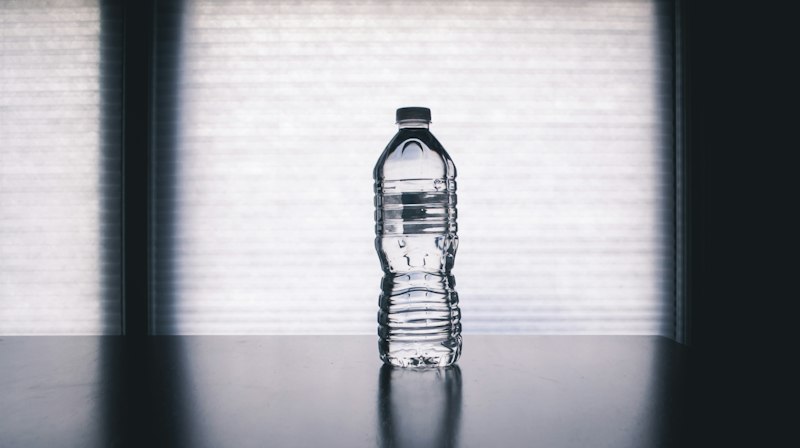
Your brain is mostly water, and it notices the level. In a series of studies at the University of Connecticut, physiologist Lawrence Armstrong and colleagues dehydrated healthy young adults mildly, around one to one and a half percent of body weight, a level an ordinary busy day can produce without anyone noticing. Nothing dramatic happened to their bodies. Their minds were another story: mood dipped, concentration got harder, headaches showed up more often, and the same tasks felt like more work than they had felt fully hydrated.
The detail worth keeping is the timing. These effects arrived at levels of fluid loss where thirst is easy to miss or override, especially when you are absorbed in work. By the time you clearly register being thirsty, you may already be in the zone where your focus is quietly paying for it. The afternoon fog you attribute to your job might, some days, be a plumbing issue.
The fix is not discipline, because discipline is exactly what runs out on busy days. The fix is architecture. Decades of behavior research agree on this move: what sits in your line of sight gets used, and what needs fetching gets skipped. Nobody plans to under-drink at a desk; it happens by default when the water is in another room. So put the water where your eyes already live and let the environment do the remembering.
Guided exercise
The visible-water setup
Step 1 of 5
Choose one vessel and commit
~45 secOne bottle or one large glass you actually like drinking from. A single dedicated vessel makes intake countable: two fills, done, no math.
Quick quiz
How dehydrated do you need to be before mood and concentration start slipping?
Fine print that makes this easier: coffee and tea count toward your fluid for regular drinkers, food carries water too, and pale-straw urine is a rough sign you are in range. There is no magic number of glasses; visibility plus transitions gets most people there without tracking anything.
And the standard honesty: this is general education, not medical advice. Fluid needs vary with body, climate, activity, and health, and anyone with kidney or heart conditions, or on restricted fluids, should follow their clinician's guidance rather than a bottle rule from an article.