
Food and Mood: What the Evidence Says
A landmark trial found that improving diet measurably helped depression symptoms. Here is what it showed, and a one-week experiment to run on yourself.
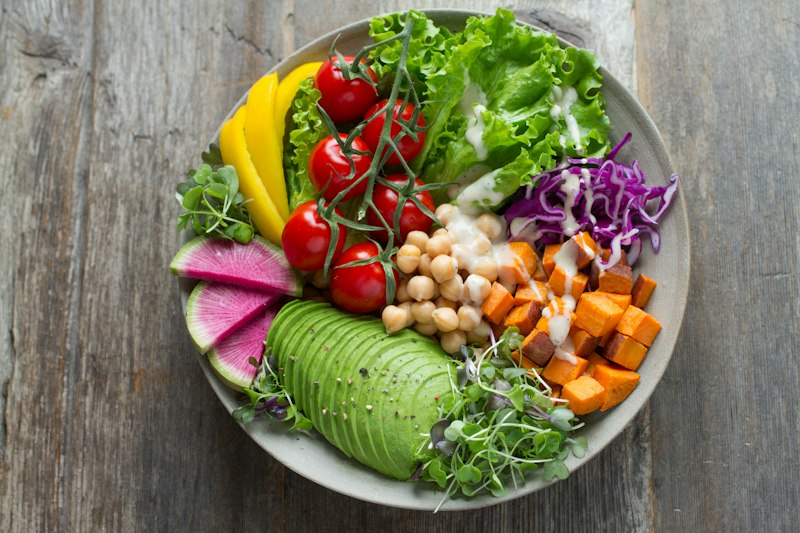
For a long time, the link between food and mood was mostly folk wisdom. Then came the SMILES trial, published in 2017 by Felice Jacka and colleagues: the first randomized controlled trial to test whether improving diet could help treat depression. Participants already receiving usual care were randomized to either dietary support (a Mediterranean-style eating pattern with a dietitian) or an equal amount of social support. After 12 weeks, the dietary group showed meaningfully greater improvement in depression symptoms.
The careful reading matters: diet was an adjunct, added alongside usual treatment, not a replacement for therapy or medication. And one trial is a foundation, not a finished building. But it moved food from 'probably relevant' to 'evidence-backed lever worth pulling'.
This is general education, not medical advice. If you live with depression or another condition, changes to diet or treatment belong in a conversation with your doctor or a registered dietitian.
Quick quiz
What did the SMILES trial actually compare?
Guided exercise
The one-week food-mood log
Step 1 of 4
Log meals and 3pm mood
~1 minEach day for a week, jot what you ate and a quick 1-10 mood and energy rating at 3pm. One line per day is enough; this is a sketch, not a spreadsheet.
Check-in
How steady is your energy across a typical day?
You do not need a perfect diet to feel a difference; the SMILES participants did not achieve perfection either. Direction beats purity: one pattern noticed and one change kept is how food starts working for your mood instead of against it.